Inside the Warm and Welcoming World of Pie Cafe Colorado Springs
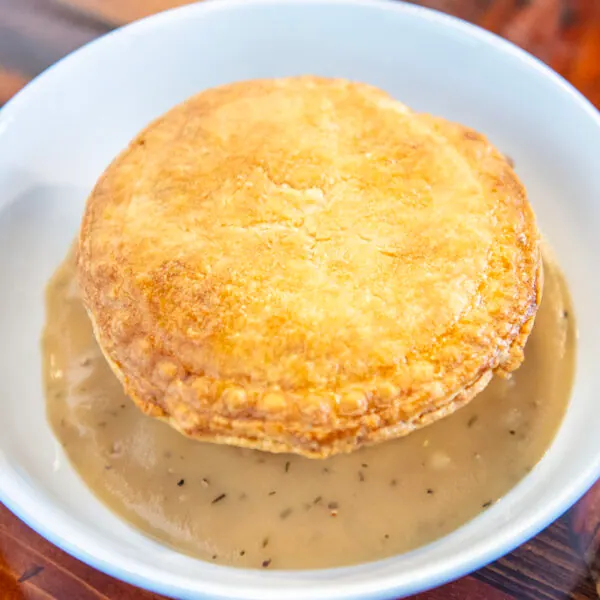
There are coffee shops you visit for caffeine, bakeries you visit for a quick treat, and then there are places built around comfort. A good pie cafe belongs in that third category. It does more than sell slices. It creates a rhythm. People come in from dry Colorado air, shake off a long morning, settle into a chair, and order something that feels both familiar and special. That combination is harder to pull off than it looks.
For anyone searching for a pie cafe Colorado Springs experience, the appeal goes well beyond dessert. Pie carries a different kind of emotional weight than most pastries. Cake can be celebratory. Cookies can be casual. Pie tends to feel personal. It suggests time in the kitchen, a hand-rolled crust, fruit cooked down slowly, cream fillings that demand patience, and savory options that turn a sweet shop into a real everyday stop. In a city like Colorado Springs, where residents and visitors move between downtown errands, mountain views, military schedules, and weekend outings, that kind of grounded hospitality stands out.
The warm reputation surrounding a pie-centered cafe usually starts with atmosphere, but it lasts because of execution. If the room is charming and the crust is tough, people notice. If the pastry is excellent but the service is distracted, people notice that too. What gives a pie cafe its staying power is the marriage of craft and welcome. You feel it in the details, often before you even take the first bite.
Why pie changes the mood of a room
Pie has a way of slowing people down. That may sound romantic, but it is also practical. Unlike grab-and-go food designed to be consumed between appointments, pie invites pause. Even a single slice asks for a fork, a plate, and at least a few minutes of attention. Add a cup of coffee or tea, and the cafe shifts from transaction to small ritual.
That matters in Colorado Springs. The city has its own pace, one that blends tourism with neighborhood life. There are busy corridors, family districts, and pockets where independent food businesses become part of local routine. In that setting, pie feels especially well suited. It can meet a customer in several moods at once. Someone may stop in after a hike wanting sugar and coffee. Another person may come in for a quiet lunch and choose a savory slice. A family may share a whole pie after a school event. A couple may linger over two forks and one plate. Very few menu items can move across all those occasions without feeling forced.
A well-run pie cafe also understands that scent is part of the welcome. Warm butter, toasted flour, cinnamon, berries, vanilla, roasted nuts, coffee in the background, maybe a savory note from quiche or pot pie, these aromas do a lot of silent work. They soften people before the menu even lands in their hands. Plenty of restaurants invest in branding, decor, and social media, but the old bakery truth still holds. If the room smells right, half the invitation is already made.
The craft behind a slice that feels effortless
People often talk about pie as comfort food, which is true, but comfort can hide how technically demanding it is. Pie looks humble. It is not humble to produce well, day after day.
Crust is usually where quality reveals itself first. A strong pie cafe has to balance tenderness with structure. Too much toughness and the slice feels leaden. Too little support and a fruit filling spills into soup before it reaches the table. In a dry climate, handling dough becomes even more delicate. Flour behaves differently. Moisture evaporates faster. Butter warms quickly under active hands and bright kitchen lights. Good bakers compensate instinctively or through disciplined process, usually both. That is why truly memorable crust has a kind of quiet authority. It flakes, but it does not shatter into useless crumbs. It tastes like grain and butter, not just sweetness.
Fillings pose their own challenges. Fruit pies depend on timing, sugar balance, thickening, and the ripeness of the produce available. Cream pies rely on smooth texture and clean flavor. Savory pies demand seasoning restraint because richness can become heavy fast. Even a simple apple pie requires judgment. Apples soften at different rates. Cinnamon can dominate. Nutmeg can disappear. Lemon brightens, but too much makes the filling sharp rather than lively. None of this shows on a menu board. Customers simply know whether the slice tastes settled and complete.
That hidden labor is one reason pie cafes inspire loyalty. When a place consistently gets the fundamentals right, guests feel taken care of in a very direct way. The food does not need to shout. It just needs to arrive exactly as hoped, maybe even a little better.
Hospitality that feels local, not scripted
The word welcoming gets used loosely in food writing, often as a substitute for specifics. In practice, welcome is visible in behavior. It sounds like a staff member who can explain the difference between two fruit pies without racing through the answer. It feels like a room where solo customers are not rushed through their meal and families do not feel judged for needing extra napkins. It shows up when regulars are remembered, not with theatrical familiarity, but with simple competence. “Usual coffee?” is enough. So is, “The peach pie sold quickly this morning, but the cherry just came out.”
A pie cafe in Colorado Springs benefits from understanding the range of people likely to walk through the door. Locals want consistency. Visitors want a place that feels distinct from national chains. Parents want flexibility. Older guests often appreciate seating that does not feel cramped and desserts that respect tradition rather than reinventing every classic. Younger diners may arrive looking for something photogenic, but they usually come back only if the food has substance behind the appearance.
There is also a difference between friendliness and pressure. The best cafes know how to read the room. Some guests want conversation. Some want a quiet corner and ten uninterrupted minutes with coffee and pie. Hospitality becomes memorable when it is responsive, not performative. That is often what people mean, even if they do not say it https://jaspermjtf229.solsticebrief.com/posts/a-beginner-s-guide-to-ordering-at-pie-cafe-colorado-springs directly, when they talk about a place feeling warm.
The role of seasonality in a mountain-adjacent city
One of the pleasures of a pie-focused cafe is that the menu can reflect the calendar without becoming precious about it. Seasons matter to pie in ways they do not always matter to other desserts. A winter pie case may lean into pecan, apple, chocolate cream, coconut cream, or heartier savory options. Spring opens room for lemon, berry combinations, and brighter custards. Summer, when produce peaks, is where pie can turn almost celebratory. Late summer peach pie, if done well, hardly needs salesmanship. Fall naturally invites pumpkin, spice, apple variations, and deeper baked flavors.
Colorado Springs adds its own texture to this seasonal rhythm. Weather can turn quickly, and local dining habits often shift with it. On a cold day, a warm slice with coffee offers a kind of straightforward comfort that few desserts can match. On a sunny afternoon, a chilled cream pie or fresh fruit slice can feel lighter than a dense cake or frosted pastry. Pie earns its place year-round because the format is adaptable.
Seasonality also creates anticipation, and anticipation is good for independent cafes. When customers know a favorite pie comes around for a limited run, they pay closer attention. That kind of excitement is more durable than novelty for novelty’s sake. People do not need twelve wild flavor combinations if the classic strawberry rhubarb shows up at the right moment and tastes exactly how they remembered it.
Savory pies are often the sleeper hit
Many people hear “pie cafe” and think immediately of dessert, but savory pies often determine whether a place becomes part of someone’s weekly routine. Dessert is a treat. Lunch is a habit. Once a cafe offers hand pies, pot pies, quiche, or other savory pastry options with real care, it expands from occasional indulgence into a practical choice for working professionals, parents between errands, and anyone who wants a satisfying meal without committing to a large restaurant setting.
This is where judgment matters. Savory pies need richness, but they also need contrast. Acid, herbs, texture, and proper seasoning keep the experience from becoming monotonous. A creamy chicken filling might need pepper and thyme to cut through the fat. A vegetable tart benefits from caramelized edges and enough salt to sharpen the sweetness of onions or roasted squash. Even a humble breakfast quiche asks for a crust that stays crisp where it meets the custard. When cafes get these details right, customers notice even if they cannot fully explain why one slice felt balanced and another felt heavy.
In my experience, savory pie also changes who uses the space. A cafe with only sweets attracts one pattern of visits. Add a credible savory lineup, and suddenly you have office workers at noon, retirees meeting over lunch, and parents grabbing an early meal before afternoon pickups. The room becomes more dynamic, more rooted in daily life. That is often the point at which a cafe starts feeling like an institution rather than a novelty.
Coffee matters more than some pie shops admit
A pie cafe does not need to behave like a specialty coffee temple, but it does need to respect the cup. Pie and coffee are such natural companions that a weak brew or scorched espresso can undercut an otherwise excellent visit. The drink does not have to steal the show. It does have to hold its own.
That usually means a few sensible things. Coffee should taste fresh, not burnt from sitting too long on a warmer. Espresso drinks should be built with enough care that milk texture and temperature support the pastry rather than flattening it. Tea options should not feel like an afterthought. Water service should be easy. None of these are glamorous standards, but they are memorable because so many places miss them.
Pairing matters too. Rich chocolate or cream pies tend to shine next to black coffee or less sweet espresso drinks. Fruit pies often work beautifully with lighter roasts or tea. Savory pies can bridge well to cappuccinos, brewed coffee, or even a simple iced tea, depending on the filling. When staff understand these pairings, even informally, they add confidence to the ordering experience. Customers feel guided rather than upsold.
A place for regulars, visitors, and everyone in between
Colorado Springs serves several audiences at once, and food businesses that last usually learn how to welcome all of them without losing their identity. A pie cafe can do that unusually well because pie is broadly legible. You do not need insider knowledge to order it. You do not need an adventurous palate to enjoy it. At the same time, there is plenty of room for nuance and excellence.
For locals, familiarity is the anchor. They want to know the apple pie will still taste like apple pie, not some overworked reinterpretation. They appreciate small menu evolutions, but they tend to return for trust. For visitors, the draw is often emotional and atmospheric. They want the sense that they have found a place with personality, not a generic stop assembled from trend forecasts. Pie delivers that beautifully because it feels connected to home baking, regional produce, family gatherings, and community tables.
That broad appeal also means the room may hold very different conversations at once. One table might be discussing hiking plans. Another might be celebrating a birthday with pie instead of cake. A solo diner may be reading quietly. Someone else may be picking up a whole pie for a holiday meal. This mix is healthy. It gives the cafe social depth. The best hospitality businesses are not just efficient. They become a backdrop to real life.
What people usually remember after the first visit
When guests talk about a place later, they rarely recite the whole menu. They remember a few vivid details. The crust was actually flaky. The filling tasted like real fruit rather than sugar gel. The staff did not rush them. The coffee was strong enough to stand up to the dessert. The room felt calm. The pie looked beautiful without looking fussy. Those are the kinds of impressions that turn a one-time stop into a return trip.
Texture, in particular, tends to shape memory. A cream pie that is smooth rather than gummy, a meringue that stays light, a fruit filling that slices cleanly without becoming stiff, a bottom crust that avoids sogginess, these are not flashy achievements, but they are the marks of practiced baking. Customers may not use technical language, yet they respond instantly to the difference.
There is also the matter of generosity. That does not necessarily mean oversized slices. In fact, very large portions can work against quality if they make the dessert feel burdensome. Generosity is more about proportion and care. A fair slice, a clean plate, a garnish that serves a purpose, a refill offered at the right time, packaging that protects takeout pie from collapsing on the ride home, all of that reads as respect for the customer.
Why pie cafes hold onto their charm
Some food trends burn hot and disappear. Pie endures because it is rooted in habits people already understand. It belongs at breakfast in some forms, lunch in others, dessert almost anytime, and holidays nearly everywhere. It can be rustic or polished. It can feed one person at a counter or a whole table on a busy evening. That flexibility gives pie cafes unusual resilience, provided they stay disciplined about quality.
There is also something reassuring about a business organized around a food that cannot really be faked. You can decorate a room to look cozy. You can market nostalgia. But pie exposes shortcuts fast. Frozen-tasting fillings, bland crust, overhandled dough, or sweetness used to mask weak ingredients all reveal themselves in a bite or two. A cafe that builds a loyal following around pie usually earns it honestly.
That is why the phrase pie cafe Colorado Springs carries so much promise for people who care about local food. It suggests more than a niche dessert stop. It suggests a place where baking skill, hospitality, and everyday comfort meet. In a city with enough movement and noise to make quiet pleasures valuable, that promise has real weight.
The deeper appeal of a slice served well
At its best, a pie cafe offers a small corrective to rushed eating. It asks for a seat, a fork, and a little attention. It gives back warmth, texture, and the sense that someone put time into making something sturdy and satisfying. That exchange can feel almost old-fashioned, which is part of the appeal.
Inside a truly welcoming pie cafe, people tend to soften a bit. Conversations lengthen. Solo guests settle in. Families share bites across the table. A whole pie leaving in a box carries its own kind of optimism. Someone is taking comfort somewhere else, to a dinner table, an office break room, a holiday gathering, or a quiet night at home.
That is the real world behind the charm. It is not just sweetness, and it is not just decor. It is craftsmanship meeting mood. It is hospitality grounded in food that asks to be made carefully. And for anyone lucky enough to find a pie spot in Colorado Springs that gets those fundamentals right, the experience lingers long after the plate is cleared.
3.14 Pi Bar
5152 Centennial Blvd
Colorado Springs, CO 80919
(719) 314-6172
FAQ About pie cafe colorado springs
Does 3.14 Pi Bar serve sweet and savory pies?
Yes. The café serves savory pot pies and seasonal sweet pies made from scratch. Flavors can vary.
Can I order a whole pie to take home?
Yes. The café sells whole sweet pies to take home. Check the current menu for flavors and ordering options.
Does 3.14 Pi Bar offer take-and-bake pies?
Yes. The café offers prepared pies that you can bake at home. Check the current menu for available varieties.