How to Plan an Exclusive Launch Party at a Bar With Private Room
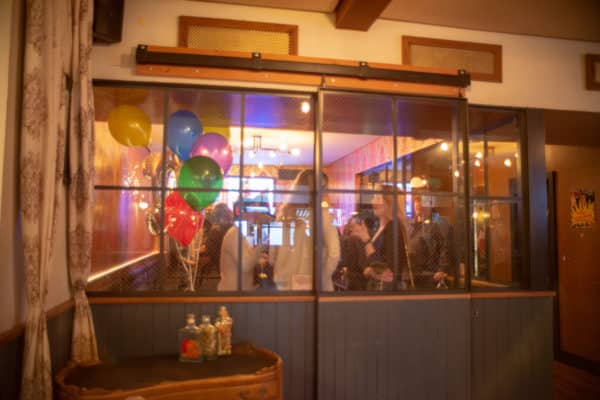
A launch party has one job, set the tone for what comes next. If the room feels flat, the product, brand, or venture can seem smaller than it is. If the evening feels sharp, intentional, and hard to access, guests start talking before the first formal announcement is even made.
That is why a bar with private room can be such a smart setting for a launch. It gives you the social energy of a nightlife venue without the chaos of hosting in the main bar. Done well, it creates a feeling that guests have been invited into something not everyone gets to see. That sense of access matters. People remember how an event made them feel long after they forget the color of the napkins or the exact cocktail menu.
Planning an exclusive launch party in that kind of space takes more judgment than most hosts expect. The private room solves some problems, privacy, crowd control, noise separation, and atmosphere, but it also introduces others. Sightlines matter more. Service timing becomes more noticeable. A room that looks intimate at 40 people can feel cramped at 55. A room that looks dramatic at night can look tired during setup at 4 p.m. Those details are manageable, but only if you think through them before the first guest arrives.
Start with the kind of exclusivity you actually want
“Exclusive” gets used loosely. Sometimes it means VIP and luxurious. Sometimes it means invite-only and tightly curated. Sometimes it means discreet. A founder celebrating a soft launch for a niche beauty label needs a different atmosphere than a tech company unveiling a partnership, even if both book the same type of venue.
Before you tour spaces, decide what exclusivity should feel like for your guests. Should they walk into a lively room with music and candlelight, or something quieter and more conversational? Do you want press and creators snapping photos from the minute they enter, or are you trying to encourage private discussions among investors, partners, and early clients? A launch party that tries to be public, intimate, glamorous, and highly structured all at once usually misses on all four.
I have seen hosts overpay for the wrong kind of room because they were chasing prestige instead of fit. One spirits brand booked an elegant upstairs lounge in a fashionable district, but the room had low ceilings, limited branding opportunities, and awkward corners that split the crowd into clusters. The event looked good on paper and weak in person. Another client chose a less famous bar with private room that had a separate entrance, excellent acoustics, and a long backlit bar. That party felt important the moment guests arrived, even though the venue itself was less talked about.
Exclusivity is less about a famous address and more about control. You want command over the guest journey, sound level, service, privacy, and pacing.
Choose the room based on flow, not just style
A beautifully designed private room can still fail as an event space. Launch parties are dynamic by nature. Guests arrive in waves, conversations form and dissolve, drinks circulate, and there is usually one focal moment, a toast, reveal, demo, or speech. The room has to support all of that without feeling crowded or dead.
Ask to see the space at the same time of day and on the same day of week you plan to use it. A private room that feels calm during a Tuesday walkthrough may sit above a packed bar on Friday and pick up noise through the floorboards. Lighting also changes perception more than people realize. Velvet banquettes and amber sconces can look luxurious after dark, but muddy in early evening before the room settles.
Look beyond décor and focus on movement. Can guests enter without bottlenecking near the door? Is there a natural place for check-in that does not feel like a security line? Can servers pass through the room without interrupting every conversation? Is there a clear area for a short speech or reveal, and will everyone be able to see it?
Capacity numbers from venues often assume a best-case layout. A room listed for 60 standing may feel comfortable at 45 once you add a gift display, branded backdrop, DJ table, and a few high-tops. If your event includes product demos, sampling stations, or media kits, subtract further. The tighter the room, the more every fixture matters.
One of the simplest ways to test a room is to stand where your guests will stand and imagine three moments at once. People are arriving. Someone is giving remarks. A server is carrying a tray across the room. If those actions compete with each other, you will feel it on the night.
Negotiate the venue agreement with operational reality in mind
Most first-time hosts focus on minimum spend and forget the practical clauses that affect the guest experience. Those clauses can be more important than the headline price.
Clarify whether the private room is truly private for the entire event window, including setup and breakdown. Some bars sell a “private room” that still shares hallways, restrooms, or audio bleed with the main floor. That may be fine for a casual birthday, but it can undermine an exclusive launch. If press, buyers, or investors are attending, privacy needs to be real.
You also need clean answers on staffing. How many bartenders and servers are included? Is there a dedicated floor manager in the room? Who controls music volume? Can your team bring in florals, signage, a photographer, or a branded cake without extra fees? If you are planning speeches, ask whether the venue provides a handheld microphone, speaker, and someone who knows how to run them.
The payment structure deserves a hard look. Minimum spend can work well if most of your budget naturally goes to food and beverage. It works poorly if you want a lighter menu and stronger production touches. Service charges, taxes, overtime, coat check, security, and room flip fees can change the total quickly. A room that looks cheaper upfront can become more expensive once the extras are added.
The best venue negotiations are specific, not aggressive. Bars respond well when they see you understand event operations. Instead of asking vaguely for a better deal, ask whether the minimum can be shifted toward premium passed bites, whether you can access the room 90 minutes earlier, or whether they can include one more bartender if attendance crosses a set threshold. Those are practical concessions that improve the event itself.
Build the guest list like a host, not a marketer
A launch party is not a numbers game. The strongest rooms are not always the fullest. They are the most balanced.
Start with the people who matter to the launch outcome. Depending on the business, that could mean early customers, journalists, retail partners, investors, industry peers, creators, tastemakers, or loyal community members. Then think about chemistry. A room of high-value guests can still underperform if no one naturally talks to one another. You want a mix of connectors, advocates, and people with a legitimate reason to care about what you are launching.
Too many hosts invite broadly out of anxiety and then end up with the wrong room energy. A packed private room full of loose acquaintances can feel transactional within minutes. A slightly smaller room full of people who understand the product and know why they were included feels warmer, more confident, and more memorable.
The invitation itself should match the tone of the evening. If you want the event to feel selective, avoid vague mass-invite language. Be precise about what the guest is being invited to and why the night matters. If there is a reveal at a set time, say so. If space is limited, say so. People tend to respect RSVP deadlines more when they understand that capacity is meaningful, not cosmetic.
One practical ratio that often helps is to invite beyond the room’s ideal capacity, but not so far beyond that you lose control if acceptance is high. The right over-invite margin depends on your audience. Industry guests with busy schedules may have lower attendance rates. Close clients or local community members may show up in stronger numbers, especially if the event falls midweek and the venue is easy to reach.
Shape the evening around one memorable focal point
Plenty of launch parties fail because they forget to launch anything. Guests drink, mingle, post a few photos, and leave without a clear sense of what was introduced. The room was nice, the cocktails were fine, and the message vanished.
A good launch party has a center of gravity. It might be a short founder speech, a live demonstration, a ceremonial first pour, a reveal wall, or a timed product drop. It does not need to be theatrical, but it should be unmistakable.
Keep that focal moment brief. In a bar setting, attention is fragile. Once drinks are flowing and side conversations deepen, guests will not tolerate a long presentation. Five to seven minutes is usually enough for remarks. If a demo is involved, make it visual and easy to grasp from the back of the room. If the launch has a story, distill it into a few clean points people can repeat later.
A useful structure for the night often looks like this:
- Arrival and drinks, with enough time for the room to fill naturally.
- A short hosted welcome that signals the evening has purpose.
- The reveal, toast, or launch moment at a clearly announced time.
- A return to socializing, with a reason to stay, such as a special tasting, photo moment, or limited giveaway.
- A graceful close, so the event ends with energy rather than tapering into fatigue.
That kind of pacing prevents the most common launch-party problem, an event that feels like a networking happy hour with no peak.
Use food and drink to reinforce the brand, not distract from it
A bar environment encourages overemphasis on cocktails. Hosts love a signature drink, and there is nothing wrong with one, but the launch should not depend on a clever menu to feel distinctive.
Think first about practicality. Can guests eat without juggling a plate, a glass, and a phone? If you expect people to mingle, passed bites almost always work better than buffet stations in a compact private room. If the room is seated or lounge-style, a few elegant grazing elements can add comfort. If many guests are coming straight from work, substantial food matters more than aesthetics. People notice when they drink on an empty stomach.
Drinks should support the tone of the night. For a fashion or beauty launch, you may want polished, photogenic cocktails with a lighter profile. For a spirits or hospitality launch, more tailored pairings can make sense. For a corporate or investor event, speed of service may matter more than novelty. There is no prestige in a signature cocktail that takes four minutes to make and creates a line at the bar.
The smartest beverage menus are edited. Too many options slow service and dilute the identity of the event. A few well-selected wines, one or two featured cocktails, a quality spirit-free option, and straightforward classics usually cover the room better than an ambitious menu.
This is also where a bar with private room has a real advantage. Guests can feel they are inside a curated environment while the venue still handles the back-end mechanics of service. That is far easier than trying to build a premium temporary bar setup elsewhere.
Make the room look intentional, not overproduced
Exclusive events rarely benefit from visual clutter. A private room already has character. Your job is to direct attention, not compete with the venue.
Start with the first sightline. What do guests see as soon as they enter? If the answer is a coat pile, a stack of boxes, or an empty corner, fix that. A welcome moment can be as simple as soft lighting, a branded plinth, an elegant floral piece, or a host positioned in the right spot. First impressions in a confined space are immediate and hard to undo.
Branding should be restrained and well placed. A step-and-repeat can work if media coverage matters, but it should not swallow the room. Menus, cocktail napkins, signage, and one concentrated photo area usually do more than trying to brand every surface. Guests want to feel they have entered a sophisticated gathering, not a trade show squeezed into a lounge.
Lighting is where many launch parties either elevate or collapse. If the room is too dark, product displays disappear and photos suffer. If it is too bright, the bar loses atmosphere. Candles, pin spots, and subtle uplighting often go further than big decorative installations. Ask for sample photos from prior events in the room and, if possible, have your photographer weigh in before the night.
Music deserves the same discipline. If your event’s purpose is conversation and relationship-building, the room should never force guests to lean in and shout. If energy and social content are central, the volume can rise later. The trick is to let the night build rather than starting at full intensity.
Train the host team to work the room
Even the best venue cannot compensate for a passive host. Exclusive launch parties live or die on stewardship. People need to be welcomed, introduced, and guided without feeling managed.
Your team should know who the key guests are and why they matter. They should know when remarks begin, where media kits are stored, who handles last-minute venue issues, and how to subtly redirect problems before they become public. If a VIP arrives early, someone should be prepared. If a journalist asks for a founder quote while the founder is pinned in conversation, someone should step in gracefully.
This does not require a large team. It requires a prepared one. A founder, one event lead, one venue point person, and one or two trusted hosts can run a polished evening if each person has a clear role.
Some of the most valuable hosting work is invisible. A strong host notices the guest standing alone near the bar and introduces them to the right person. They sense when speeches need to start before the room loses focus. They spot the tray of canapés getting stuck in the corner and fix the flow. They know when a key buyer is about to leave and make sure they have a meaningful final interaction before the coat comes on.
That is what gives an event a feeling of control. Guests may not articulate it, but they feel it.
Plan for the awkward things before they happen
Events are shaped as much by their friction points as by their highlights. In a private bar setting, the friction points are usually predictable.
Restrooms can become a bottleneck if the room shares facilities with the main bar. Entry can become awkward if there is no clear signage or if the host stand downstairs is under briefed. Sound checks can fail if you assume the venue’s speaker setup is plug-and-play. The room can overheat once the crowd arrives, especially in winter when guests are dressed for the street. None of these problems are dramatic, but each one chips away at the sense of ease you are trying to create.
A short pre-event checklist helps keep those details under control:
- Test the microphone, music source, and lighting cues in the actual room.
- Confirm the arrival process from street to private room, including signage and staff handoff.
- Walk the service path for drinks and food to catch congestion points.
- Set a real headcount cut-off, then adjust furniture before doors open.
- Assign one person to own guest issues, timing, and venue communication throughout the night.
That kind of discipline saves hosts from solving basic problems while trying to greet guests.
Think carefully about timing
The best launch parties respect people’s energy. A weeknight event usually works best when doors open between 6:00 and 7:00 p.m., https://remingtonwcrw573.trexgame.net/bar-with-private-room-benefits-for-private-networking-nights the focal moment happens within the first hour, and the room peaks before attention drops. Start too early and guests trickle in from work, distracted and apologetic. Start too late and the event either becomes just another night out or loses senior guests who prefer to leave before the crowd settles.
Season matters too. In colder months, coat handling becomes part of the guest experience, not an afterthought. In summer, guests may arrive later but stay longer. Around major holidays, RSVP numbers can mislead because people commit aspirationally and cancel late.
If your launch depends on content capture, product education, or face time with specific people, earlier is often better. If it depends on social momentum and a lively room, a slightly later start can help. The right answer depends on the event’s purpose, not on what seems fashionable.
Measure success by what happens after the party
An exclusive launch party is not successful because the room looked good on social media. It is successful if the right people leave with a stronger understanding of the launch and a stronger desire to engage with it.
That means your follow-up matters. Reach out quickly to priority guests while the memory is fresh. Share event photos selectively. Send press materials if relevant. Thank the venue staff if they performed well, because strong venue relationships are worth keeping. Debrief your team within a day or two, while details are still sharp. Which guests stayed longest? Which food items disappeared first? Did the focal moment land? Did the room feel too full, too empty, too loud, too dim?
These are not glamorous questions, but they are the ones that sharpen your judgment for the next event.
A well-chosen bar with private room gives you a rare blend of intimacy and energy. It can make a new brand feel established, a product reveal feel coveted, or a partnership feel culturally relevant. But the venue alone never creates that effect. The atmosphere comes from planning choices that seem small until the doors open, the shape of the guest list, the discipline of the run of show, the speed of the bar, the confidence of the hosts, the precision of the message.
When those choices align, the room changes. Guests do not feel like they are attending just another event. They feel like they were brought inside something worth noticing. That is the real point of an exclusive launch party, and it is exactly why the right private room can be so powerful.
The Winslow
Address: 243 E 14th St, New York, NY 10003
Phone number: +12127777717
FAQ About Bar With Private Room
Which bars in NYC offer private rooms?
Many bars in New York City offer private and semi-private rooms for parties and events, ranging from hidden basement speakeasies to upscale lounge spaces. Top options include The Back Room on the Lower East Side, Dear Irving Gramercy, Pebble Bar in Midtown, Mister Paradise in the East Village, and The Winslow in the East Village.
What is a private room in a pub called?
A small, private seating area or partitioned booth in a traditional pub is most commonly called a snug. Larger private rooms used for events, parties, or dining are typically referred to as private dining rooms, function rooms, or back rooms.
How much does a 2 hour open bar cost?
A 2-hour open bar generally costs between $15 and $45 per person, depending heavily on the quality of alcohol you choose. For a standard group of 100 guests, this translates to an overall cost of $1,500 to $4,500 before taxes, setups, and staff gratuities.