A Food Lover’s Guide to Jamaican Food in Denver
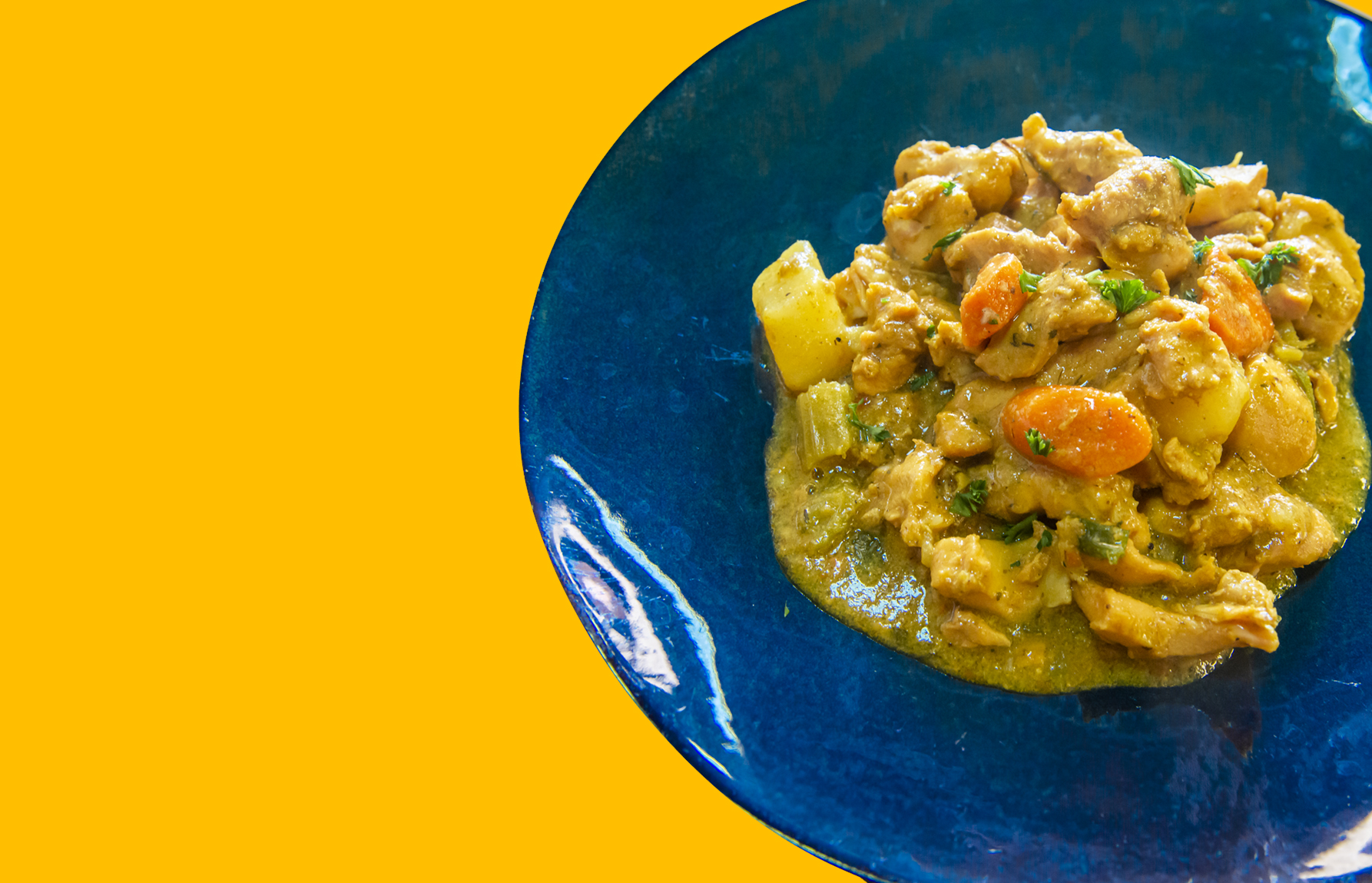
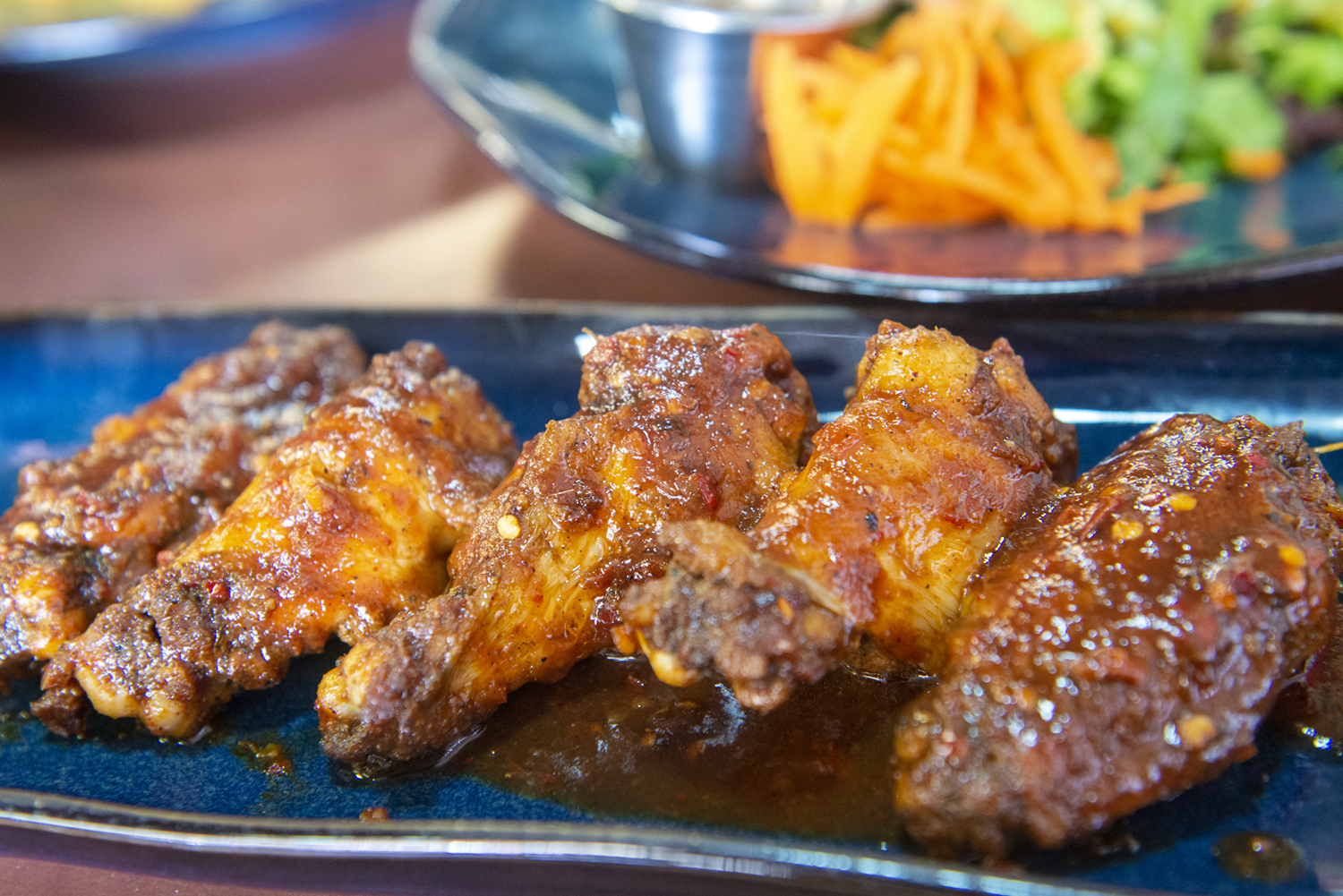
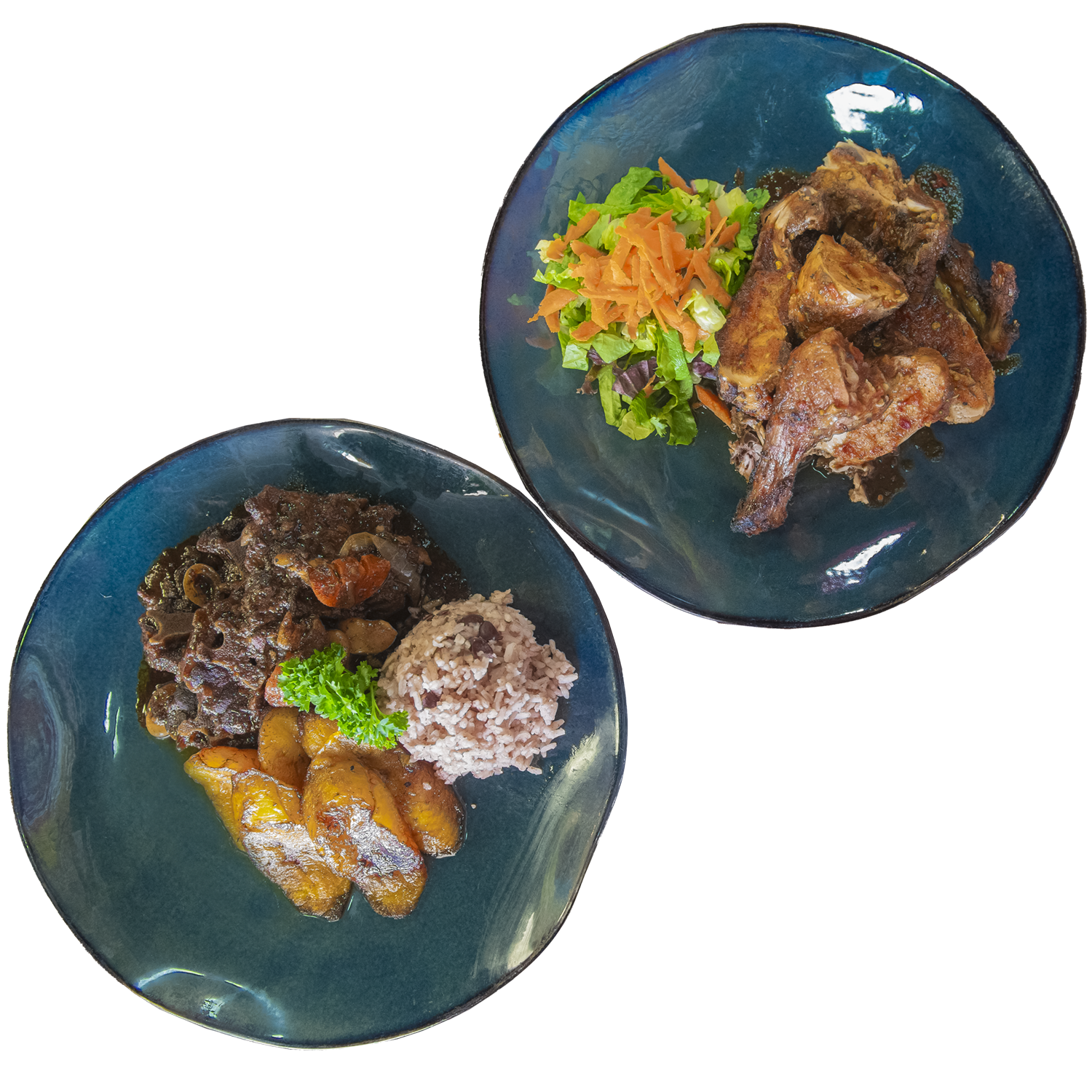
Jamaican food has a way of making a meal feel bigger than the plate in front of you. It is generous, aromatic, and deeply layered, the kind of cooking that announces itself before it hits the table. You smell smoke, thyme, scallion, allspice, ginger, Scotch bonnet, onions softening in oil, and meat that has been given enough time to become something richer than the sum of its parts. In Denver, where diners have become increasingly adventurous and where neighborhoods support a growing range of Caribbean and global kitchens, Jamaican food has found an audience that appreciates bold seasoning and serious comfort.
If you are looking for Jamaican food in Denver, the trick is not only knowing what to order. It is knowing how to read a menu, what flavors to expect, which dishes travel well, and where the cuisine is most likely to shine. Some spots specialize in jerk and grilled meats. Others excel at braises, patties, and sides. A few fold Jamaican flavors into broader Caribbean offerings. That variety can be exciting, but it can also leave first-time diners unsure of where to begin.
The good news is that Jamaican cuisine rewards curiosity. Even a modest menu can tell you a lot about the kitchen. If the rice and peas are fragrant, the plantains properly caramelized, and the jerk seasoning has depth rather than just heat, you are probably in good hands.
What makes Jamaican food distinct
A lot of people approach Jamaican cooking expecting one thing: spice. Heat matters, certainly, especially when Scotch bonnet peppers are involved, but heat is only one part of the story. The best Jamaican food is built on contrast and patience. It balances sweetness with smoke, fire with earthiness, and bright fresh herbs with slow-cooked savoriness.
You taste West African roots, British colonial influence, Indian spices, Chinese Jamaican contributions, and the practical wisdom of island cooking that makes the most of what is available. That is one reason the cuisine feels so complete. A dish like curry goat is not just spicy meat over rice. It is a long conversation between aromatics, bone, fat, time, and seasoning. Oxtail done right delivers the same kind of depth that people chase in short ribs or a good pot roast, but with a different spice profile and a more pronounced savory sweetness from browning and gravy.
Jerk, of course, is the dish many Denver diners seek out first. True jerk flavor is not simply “spicy chicken.” It is a specific seasoning tradition, usually built around allspice, thyme, scallions, garlic, ginger, pepper, and often a touch of sweetness or acid, then paired with smoke or char. The result should taste alive. If the seasoning sits only on the surface, it can feel flat. If the marinade has penetrated the meat and the grill adds just enough bitterness, the flavor becomes far more compelling.
How Jamaican food fits Denver’s dining culture
Denver is an interesting city for Jamaican food because the local dining scene tends to reward strong point of view. Diners here often appreciate food with a sense of place, whether that comes from Mexican regional cooking, Ethiopian stews, Vietnamese noodle soups, or smoked meats with a local stamp. Jamaican cuisine fits naturally into that landscape because it is both expressive and approachable.
There is also a practical side to it. Denver’s climate makes hearty braises and rice-based plates satisfying for much of the year, while jerk chicken, patties, and fresh cabbage slaw feel just right when the weather warms up. You can eat Jamaican food as a https://elliotqlsu892.moderncairn.com/posts/your-guide-to-delicious-jamaican-food-in-denver quick lunch, a takeout dinner, or a weekend meal that calls for extra sides and maybe something sweet at the end. It adapts well to how people actually eat in a city like Denver.
That said, not every dish travels equally well, and not every kitchen is trying to do the same thing. A counter-service spot may turn out excellent patties and dependable jerk chicken but have less interest in the finer points of seafood. A broader Caribbean restaurant may offer a little bit of everything, though sometimes at the expense of specialization. Knowing these trade-offs will make you a better customer and help you find the kind of meal you actually want.
Start with the dishes that reveal the kitchen
If you are trying Jamaican food in Denver for the first time, look for dishes that show how the kitchen handles seasoning, texture, and timing. These are the plates that separate a good meal from one you remember.
Jerk chicken is the obvious test. It should not taste like generic barbecue with extra chile. You want aromatic heat, dark edges from the grill or oven, and meat that stays juicy. The balance matters. Some places lean sweeter than traditionalists prefer, often because sweetness reads well to a broad audience. That is not automatically a flaw, but it should not bury the allspice, thyme, and smoke.
Oxtail is another benchmark, and frankly one of the most satisfying dishes on any Jamaican menu. Properly made, it arrives deeply browned, tender enough to pull apart with a fork, with a glossy gravy that begs for rice. Oxtail is expensive everywhere now, so it often costs more than chicken or pork. When it is good, though, the price makes sense. It is labor-intensive and unforgiving if rushed.
Curry goat deserves similar respect. Goat has a distinctive flavor, leaner and slightly more assertive than beef, and it responds beautifully to curry spices and slow cooking. If you have never had it, this is one of the best ways to understand the richness of Jamaican home-style cooking. The meat should be tender, not woolly or dry, and the sauce should carry warmth and fragrance rather than a one-note hit of curry powder.
Then there are the supporting players, which are not really supporting players at all. Rice and peas, usually made with kidney beans or gungo peas depending on the kitchen, should be seasoned and aromatic in their own right. Fried plantains should be soft in the middle with browned edges, not pale and starchy. Cabbage can be simple, but good cabbage brings sweetness, crunch, and relief from heavier meats. A beef patty may look humble, yet it tells you whether the kitchen understands dough, spice, and proportion.
How to order if you want the best first experience
A smart first order gives you range. If you are dining with one other person, split a jerk dish and one braised item, then add sides that let you compare textures and flavors. That kind of meal gives you smoke, gravy, starch, sweetness, and heat all at once, which is exactly how Jamaican food tends to shine.
If the menu offers patties, add one even if you are already ordering mains. They are one of the best low-risk, high-reward introductions to the cuisine. A well-made patty has a flaky golden shell, often colored with turmeric, and a filling that should be savory, a little peppery, and moist without becoming soggy. I have had excellent patties as a quick snack and disappointing ones that felt like an afterthought. The difference usually comes down to freshness. Ask what is coming out often, and order that.
For anyone nervous about spice, the safest move is not to avoid Jamaican food entirely. Instead, ask where the heat is concentrated. In many kitchens, the main dish is seasoned assertively but not destructively hot, while bottled sauces or fresh pepper condiments bring the real fire. That is useful to know because a lot of first-time diners overestimate how spicy the plate itself will be and miss out on some very good food.
The side dishes matter more than people think
One of the easiest ways to tell whether a restaurant takes Jamaican food seriously is to look beyond the headline proteins. Sides carry the meal. They also reveal whether the kitchen understands balance.
Rice and peas should not read as filler. When cooked properly, the grains stay separate yet tender, with coconut richness and the perfume of thyme. This is the side that catches extra gravy and brings the plate together. If it tastes flat, under-salted, or dry, the whole meal feels less coherent.
Plantains are often misunderstood by people trying them for the first time. They are not meant to be crisp like fries. Good fried plantains are soft, sweet, and deeply caramelized, almost custardy in the center if they are ripe enough. Their job is to offset salt, spice, and smoke. On a plate with jerk chicken, that sweetness is not decorative. It is structural.
Cabbage, steamed vegetables, or a simple slaw do equally important work. Jamaican food can be rich, and the best meals have enough contrast to keep you reaching for another bite. A forkful of cabbage between bites of oxtail is not an accident. It clears space on the palate and resets your appetite.
Festival, if you find it on a menu, is worth trying. It is a slightly sweet fried dough, often served alongside savory mains. Think of it less as a side and more as a soft, warm counterpoint to chile heat and char. Diners who love cornbread with barbecue usually respond well to festival for the same reason.
A note on heat, smoke, and expectations
Denver diners often ask a practical question: how spicy is spicy? The answer varies a lot. Scotch bonnet peppers can produce serious heat, but in a well-balanced dish, their fruitiness matters as much as their intensity. Heat should sharpen flavor, not erase it.
Jerk occupies a special place here because many people assume any spicy grilled chicken qualifies. It does not. The real appeal of jerk lies in its aromatic complexity and the way smoke integrates with the seasoning. Some Denver kitchens may adapt that profile based on equipment, neighborhood demand, or ingredient availability. A restaurant cooking indoors without traditional pimento wood is working within constraints. That does not mean the food cannot be excellent. It simply means you should judge the dish on balance and depth rather than on romantic ideas of strict authenticity.
This is true across the board. Restaurants make choices. Some dial down heat for accessibility. Some increase sweetness because it broadens appeal. Some serve larger combo plates because takeout customers want value. Those choices are not automatically wrong. The question is whether the final plate still tastes intentional.
What to look for when choosing a spot in Denver
Without a single fixed blueprint for Jamaican restaurants in the city, it helps to know the signs of a place worth trying. Menus, customer flow, and even packaging can offer clues before you take the first bite.
Here are a few things I pay attention to:
- A concise menu with a few signature mains usually beats a sprawling menu trying to cover every Caribbean dish imaginable.
- Rice and peas, cabbage, and plantains listed with care suggest the kitchen understands the full plate, not just the protein.
- Patties sold individually or in steady rotation often mean there is real demand and regular turnover.
- Staff who can explain spice levels and popular combinations tend to be a good sign, especially for newcomers.
- The smell matters. If you catch thyme, smoke, onions, and warm spice before you order, that is encouraging.
You do not need every one of these signs at once, but together they point toward a kitchen with focus.
Takeout versus dine-in
Jamaican food generally travels better than many cuisines, which makes it well suited to Denver’s takeout habits. Braised dishes like oxtail and curry goat often taste even better after a short rest in their containers. Rice absorbs flavor. Gravies settle. The meal arrives cohesive and satisfying.
Jerk can be trickier. Fresh off the grill, it has edge and contrast, with skin or exterior bits that still hold texture. After twenty minutes in a closed box, steam softens some of that character. The flavor remains, but the textural thrill drops a notch. If your main priority is jerk chicken at its best, dine-in has the advantage. If you are ordering oxtail, curry, patties, and sides for a comforting night at home, takeout can be excellent.
There is also the altitude factor, not in terms of Jamaican technique itself but in how food behaves once it is packaged and driven across town. Denver is spread out, and a thirty-minute trip can matter. Fried items, especially patties and plantains, are best eaten sooner rather than later. Braises are more forgiving. If you are building a takeout order, lean into what travels well and manage your expectations on anything that depends on crispness or open-flame immediacy.
Drinks and desserts that complete the meal
A proper Jamaican meal in Denver does not have to stop at the entrée. Beverages and sweets can round out the experience in ways that are easy to overlook.
Sorrel, when available, is one of the most distinctive drinks you can order. Tart, spiced, and often touched with ginger, it cuts through richer foods beautifully. Ginger beer is another strong choice, especially if you appreciate a beverage with bite. The good versions are less about sugary fizz and more about fresh, warming ginger heat.
On the dessert side, rum cake or sweet potato pudding can be deeply satisfying, though availability varies from place to place. If you see coconut drops or other house-made sweets, they are worth a second look. Even when the dessert program is small, it can reveal a lot about whether the restaurant is cooking from habit and memory rather than just assembling popular items.
If you are new to the cuisine, order like this
For anyone searching specifically for jamaican food denver options and feeling unsure where to begin, this is the simplest strategy I recommend:
- Start with a beef patty or vegetable patty if available.
- Choose either jerk chicken or curry chicken as your first main.
- Get rice and peas, plus plantains or cabbage, not fries if the menu gives you a choice.
- Add a braised dish like oxtail or curry goat on a return visit, when you want the deeper side of the cuisine.
- Ask for hot sauce or pepper sauce on the side until you know your tolerance.
That order gives you a broad picture without overwhelming you. It also avoids a common beginner mistake, which is choosing the hottest-sounding item on the menu and missing the nuance underneath.
Why Jamaican food rewards repeat visits
One meal rarely tells the whole story. The cuisine has enough range that your second or third visit often changes your understanding of it. The first time, people notice heat and richness. The next time, they catch how much freshness comes from thyme and scallion, or how much sweetness is built into ripe plantains, or how restorative a simple plate of stewed chicken and rice can be on a cold day.
That is especially true in a city like Denver, where independent restaurants often evolve their menus around supply, staffing, and customer demand. One week a kitchen may have a standout curry goat. Another week the jerk pork steals the show. Seasonal realities and the rhythms of a small business shape the experience. Instead of expecting absolute uniformity, approach Jamaican food the way you would approach barbecue or regional Mexican cooking. Find the strengths of each kitchen and order into them.
There is also a social dimension worth noting. Jamaican food is often best when shared. Not because the portions are always huge, though they often are, but because the cuisine invites comparison. One person gets jerk chicken, another orders oxtail, and suddenly everyone at the table is trading bites and building a fuller picture of the menu. That is one of the pleasures of eating this food with friends. The meal gets wider, louder, and more memorable.
The real pleasure of seeking out Jamaican food in Denver
The most rewarding part of exploring Jamaican food in Denver is that it asks you to slow down and pay attention. It is not cuisine built around bland neutrality or generic convenience. Even the simplest plate usually carries intention, whether that shows up in a carefully seasoned gravy, a properly ripened plantain, or the fragrance that rises from rice the moment you lift the lid.
For food lovers, that is the draw. You are not just checking off another takeout option. You are stepping into a culinary tradition that values spice, smoke, thrift, hospitality, and deeply satisfying flavor. Denver’s dining scene gives that tradition room to find its audience, and for diners willing to order beyond the obvious, the payoff is substantial.
So if you are scanning menus for jamaican food denver choices, be curious and be patient. Order a patty. Try the oxtail at least once. Pay attention to the sides. Respect the heat, but do not fear it. The best Jamaican meals in this city deliver exactly what great regional food should deliver: a strong sense of identity, a full table, and the immediate feeling that you want to come back and eat your way through the rest of the menu.
Reggae Pot Jamaican Grill
Address: 2243 S Monaco St Pkwy #104, Denver, CO 80222
Phone number: +17204102956
FAQ About Jamaican Food Denver
What is typical Jamaican food?
Typical Jamaican food features bold, vibrant flavors created by blending African, Taino, European, and Asian influences.
What is a famous Jamaican dish?
Ackee and saltfish is Jamaica's national dish, made by sautéing the soft local ackee fruit with salted cod, onions, tomatoes, and spicy Scotch bonnet peppers.
What food is most popular in Jamaica?
The most popular and famous food in Jamaica is Jerk Chicken, celebrated worldwide for its smoky, spicy flavor.